


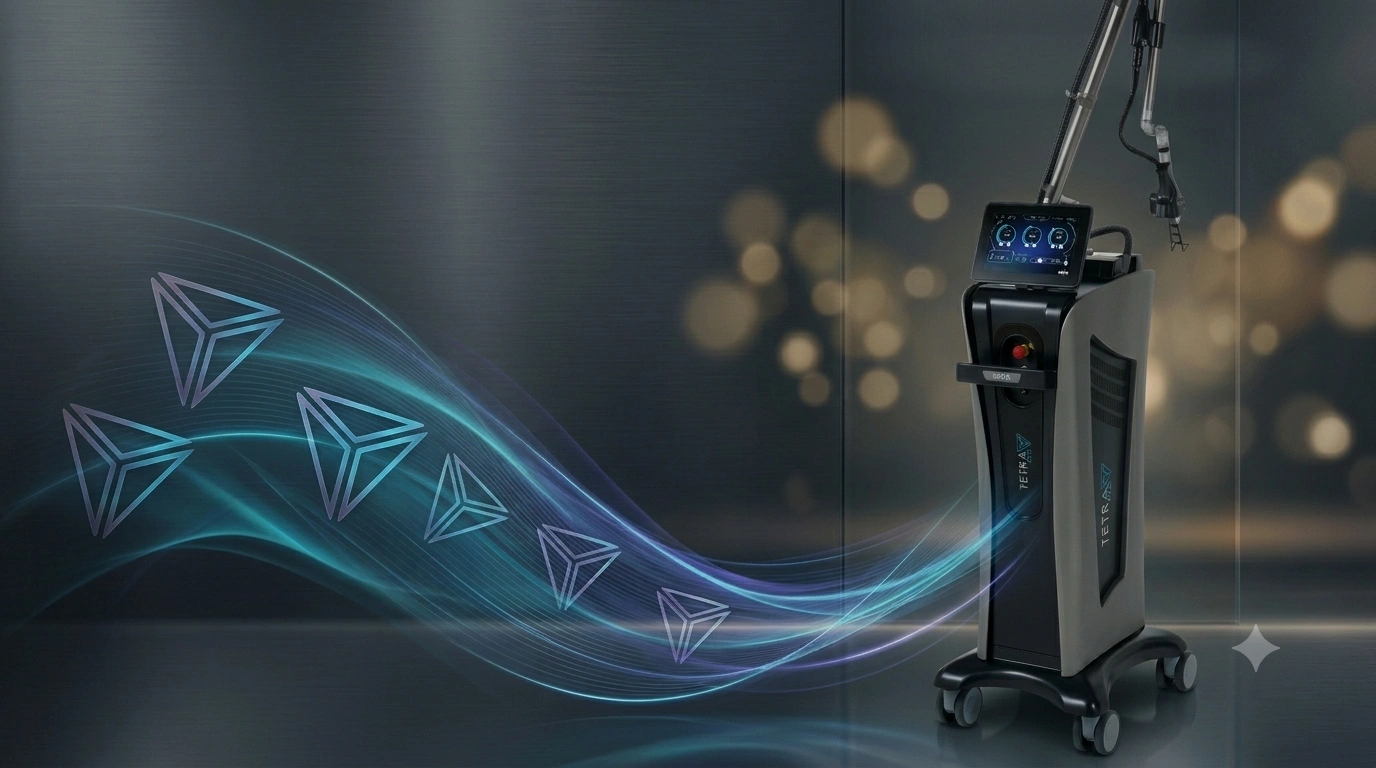
DEKA TETRA PRO
Best laser of the year according to the AMWC Aesthetic Medicine Awards. Revolutionary precision of micro-ablative CO₂ rejuvenation with a power of 40 W.
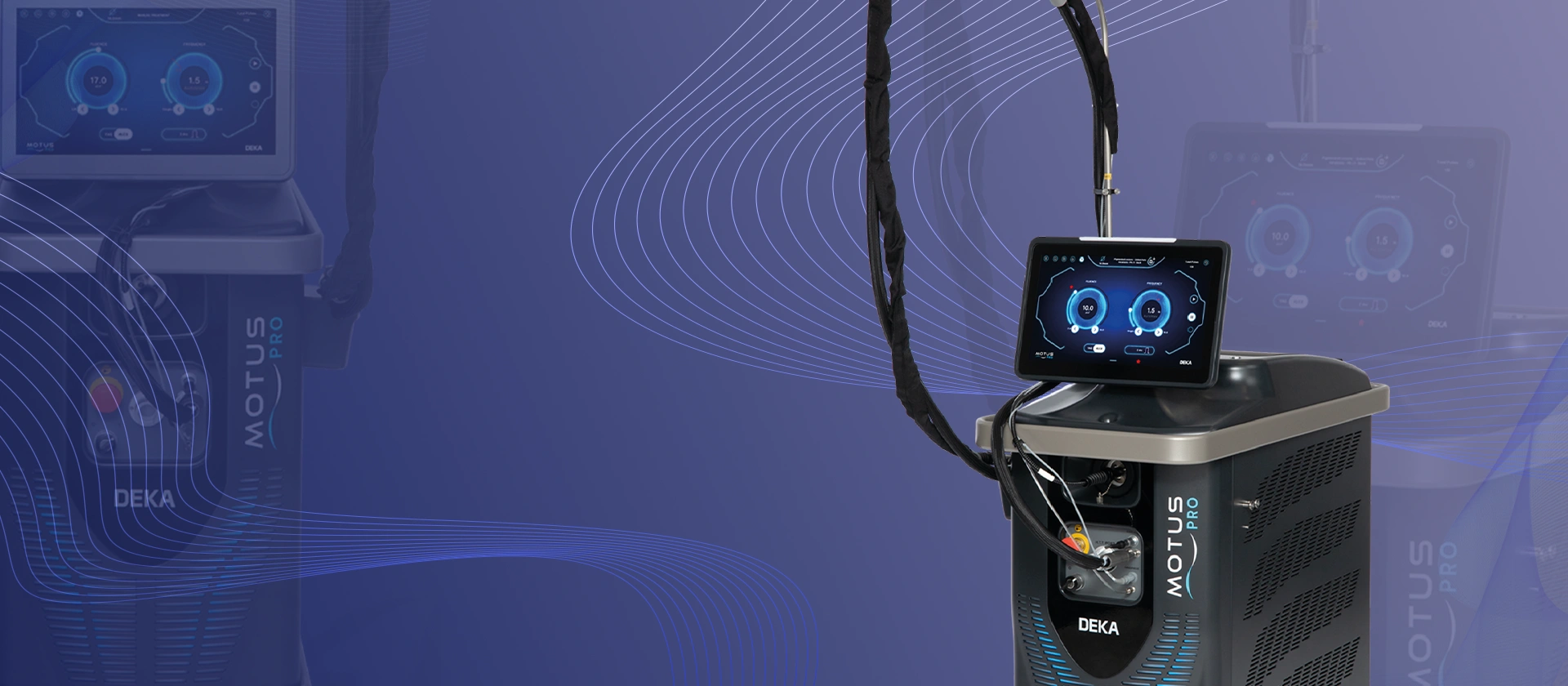
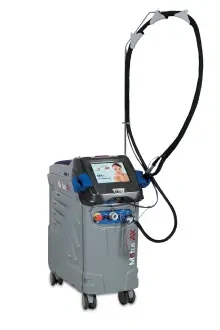
MOTUS PRO
MOTUS PRO features both treatment technologies: Over 10 standard handpieces and 4 Moveo handpieces allow meeting any patient requests with the most suitable tool.
MOTUS AX MOVEO - alexandrite laser
Now you can purchase a next-generation alexandrite laser with an integrated cooling system in Tashkent from the official distributor of DEKA

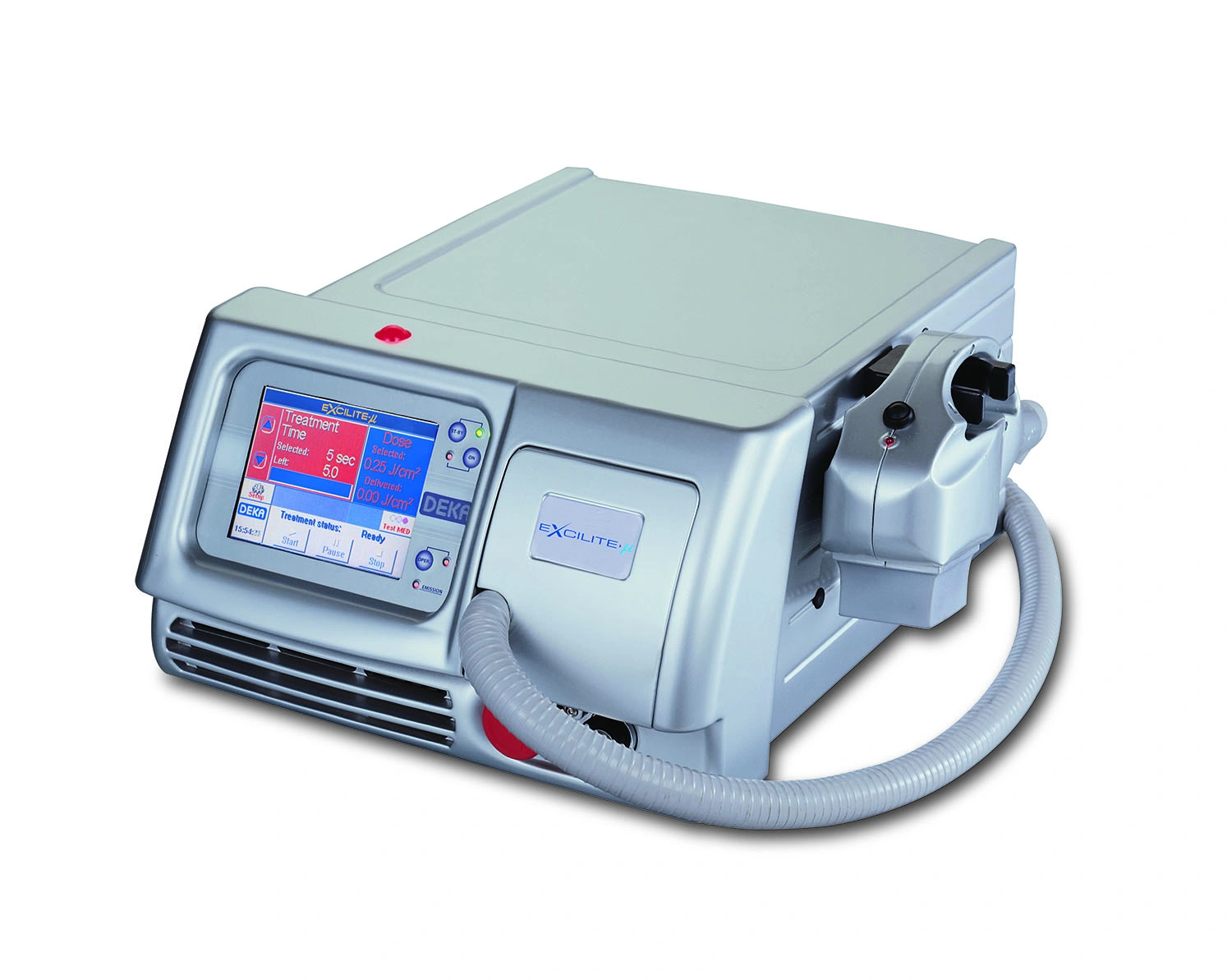
SmartXide Touch – a new level of laser therapy in gynecology and dermatology
Innovative CO₂ laser with PSD® technology for gentle rejuvenation and treatment of dermatological and gynecological conditions. Provides precise impact, minimal recovery time, and high procedural efficiency.
ABOUT DEKA UZ
The DEKA Group of Companies – the only official distributor of the Italian medical group DEKA M.E.L.A. S.R.L. ITALY in Uzbekistan, Tashkent. Here you can purchase an alexandrite laser and CO2 laser device with a warranty, training, and service maintenance.
DEKA M.E.L.A. s.r.l. Italy – a global manufacturer of high-tech laser medical equipment.
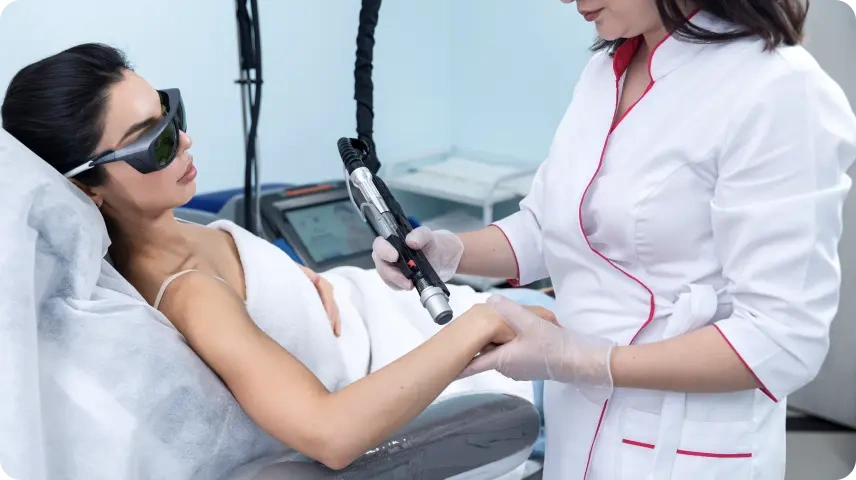
Areas of Application
Aesthetic Medicine and Dermatology

Gynecology

Surgery

Our Advantages
- 01
- Technical support and service maintenance
- 02
- Training for specialists
- 03
- Free delivery
- 04
- Marketing support
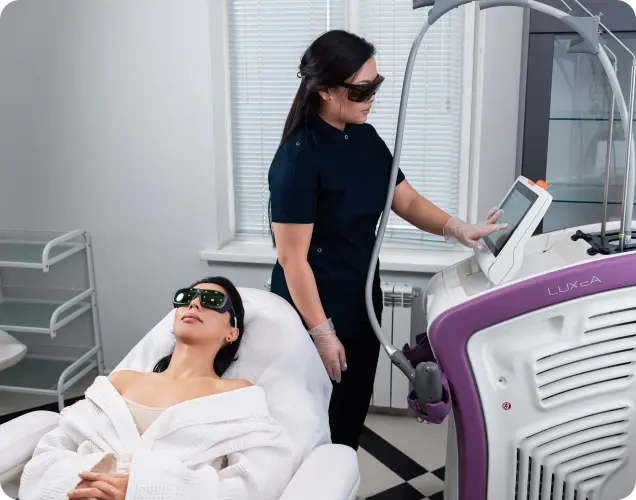
Product Catalog
Training
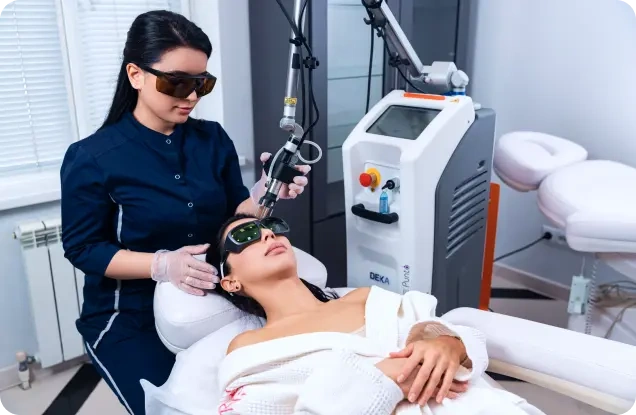
When purchasing professional equipment from DEKA, training for specialists is included in the price and is mandatory. Our specialists will explain and demonstrate how to properly operate the equipment, setting parameters based on the individual characteristics of the client for a comfortable and safe procedure.
* If you have previously worked with similar equipment from another brand, we also recommend undergoing training to enhance your professionalism.
Sign up for training
Leave your contact details, and we will call you back
What hardware cosmetology techniques can be learned
What hardware cosmetology techniques can be learned
Theoretical Part
- Study of the anatomical and physiological features of organs or systems
- Indications and contraindications for the procedure
- Recommendations «Before and After» the procedure
Practical Part
- Training in examination and collecting patient history before the procedure
- Preparing the client before the procedure
- Turning the device on/off, setting parameters
What hardware cosmetology techniques can be learned
Theoretical Part
- Mechanisms of laser radiation action
- Procedure protocols
- Nuances of working with the selected equipment
Practical Part
- Conducting the procedure: first, our specialist shows you how to properly conduct the procedure, then you perform it independently
What hardware cosmetology techniques can be learned
Theoretical Part
- Principle of action of photorejuvenation: how light pulses affect the skin
- Anatomical and physiological features of the skin that influence the effectiveness of the procedure
- Indications and contraindications for photorejuvenation
- Possible skin reactions and side effects
- Recommendations «Before and After» the procedure
Practical Part
- Assessment of skin condition and collection of medical history before the procedure
- Preparation of the client and selection of exposure parameters
- Working with the device: turning on, adjusting power, selecting nozzles
- Conducting the procedure on different areas of the face and body
- Skin care after the procedure, recommendations for the client
What hardware cosmetology techniques can be learned
Theoretical Part
- Principle of grinding action: mechanical, laser, and chemical effects
- Anatomical and physiological features of the skin affecting the regeneration process
- Indications and contraindications for skin grinding
- Types of grinding: laser, diamond, fractional, etc.
- Possible side effects and ways to minimize them
- Recommendations «Before and After» the procedure
Practical Part
- Assessment of skin condition and collection of medical history before the procedure
- Client preparation: skin cleansing, anesthesia (if necessary)
- Device setup and selection of depth of impact
- Technique for performing grinding on different areas of the face and body
- Post-procedure skin care, recovery recommendations
What hardware cosmetology techniques can be learned
Theoretical Part
- Principle of laser removal: how light pulses destroy pigment
- Types of lasers used for tattoo and permanent makeup removal
- Anatomical and physiological features of the skin affecting the pigment removal process
- Indications and contraindications for the procedure
- Possible side effects and their prevention
- Recommendations "Before and After" the procedure
Practical Part
- Assessment of skin condition, pigment type, and depth of ink
- Collecting medical history and informing the client about possible results and risks
- Preparing the client and treatment area before the procedure
- Setting the device parameters depending on the type of tattoo or permanent makeup
- Conducting the procedure on different areas of the body and face
- Post-procedure skin care, healing recommendations
What hardware cosmetology techniques can be learned
Theoretical Part
- Types of skin neoplasms: papillomas, keratomas, warts, nevi, etc.
- Various removal methods: laser, radiofrequency, cryodestruction, and electrocautery
- Anatomical and physiological features of the skin affecting the healing process
- Indications and contraindications for the procedure
- Possible complications and ways to prevent them
- Recommendations "Before and After" the procedure
Practical Part
- Skin examination and medical history collection before the procedure
- Choosing the removal method depending on the type of neoplasm
- Preparing the client and the treatment area
- Setting up the device and selecting the optimal operating mode
- Conducting the procedure with consideration for safety and minimizing tissue trauma
- Post-removal skin care, recovery recommendations
What hardware cosmetology techniques can be learned
Theoretical Part
- Causes of vascular formations (couperose, spider veins, hemangiomas, etc.)
- Principle of action of laser and photothermolysis in vessel removal
- Anatomical and physiological features of the skin's vascular network
- Indications and contraindications for the procedure
- Possible side effects and ways to prevent them
- Recommendations "Before and After" the procedure
Practical Part
- Skin examination, determining the type of vascular formations and collecting medical history
- Choosing the technique and setting up the device depending on the depth and diameter of the vessels
- Preparing the client and treatment area before the procedure
- Technique for performing the procedure on different areas of the face and body
- Post-procedure skin care, recovery recommendations
DEKA is looking for models
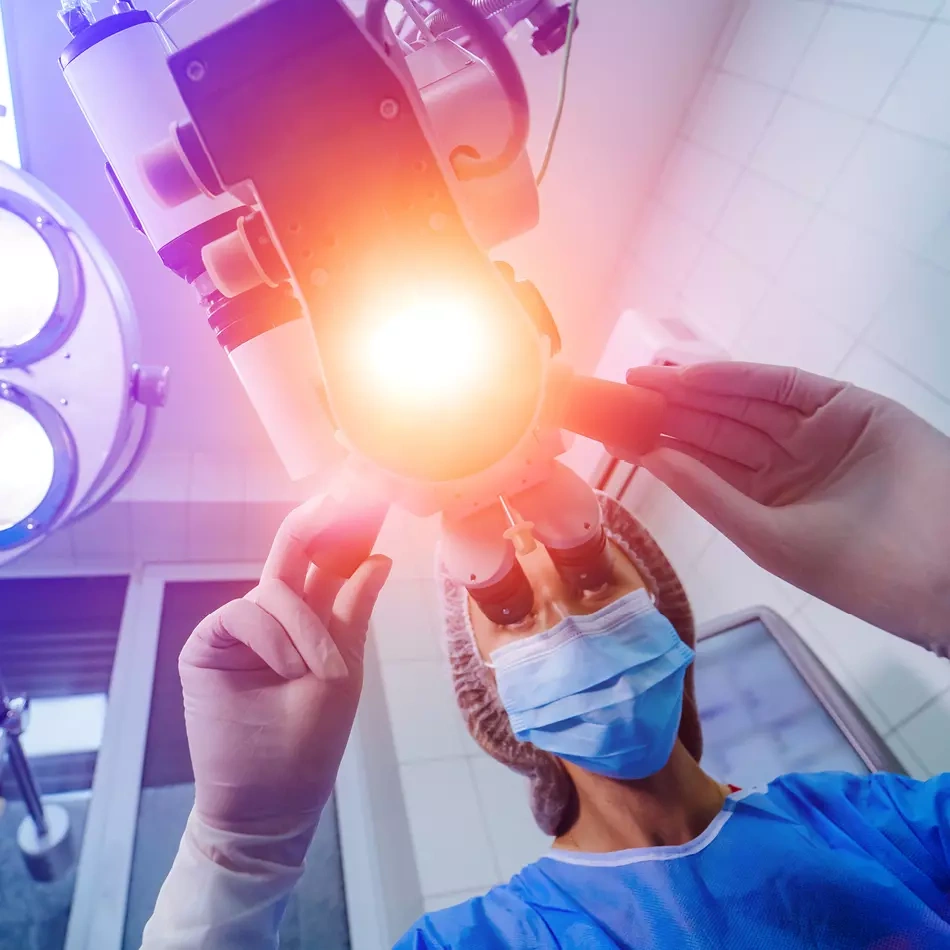
You can sign up for free laser cosmetic procedures conducted on DEKA devices. The procedures are performed by cosmetologists from DEKA. A mandatory condition is the documentation of your results in the form of photo — and video recordings.
Attention!
Models must arrive 15 minutes before the start of the procedures and strictly follow the instructions of the doctors from DEKA. The company independently determines the procedure protocol and the list of products used.
Become a model
Leave your contact details, and we will call you back
Our Blog
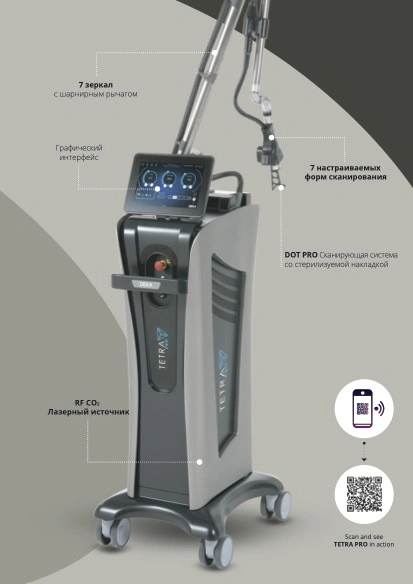
Overview of DEKA Tetra PRO: The Evolution of CO₂ Lasers and the Revolution of Micro-Ablative Rejuvenation
DEKA — laser system Tetra PRO . This device has already made a splash in the global market and won the prestigious AMWC Aesthetic Medicine Awards in the category of «Best Laser,...
Revolutionary laser technologies are now available in Uzbekistan
The DEKA Group of Companies – the only official distributor of DEKA M.E.L.A. S.R.L. ITALY in Uzbekistan – offers the latest medical laser equipment for specialists in the fields of...
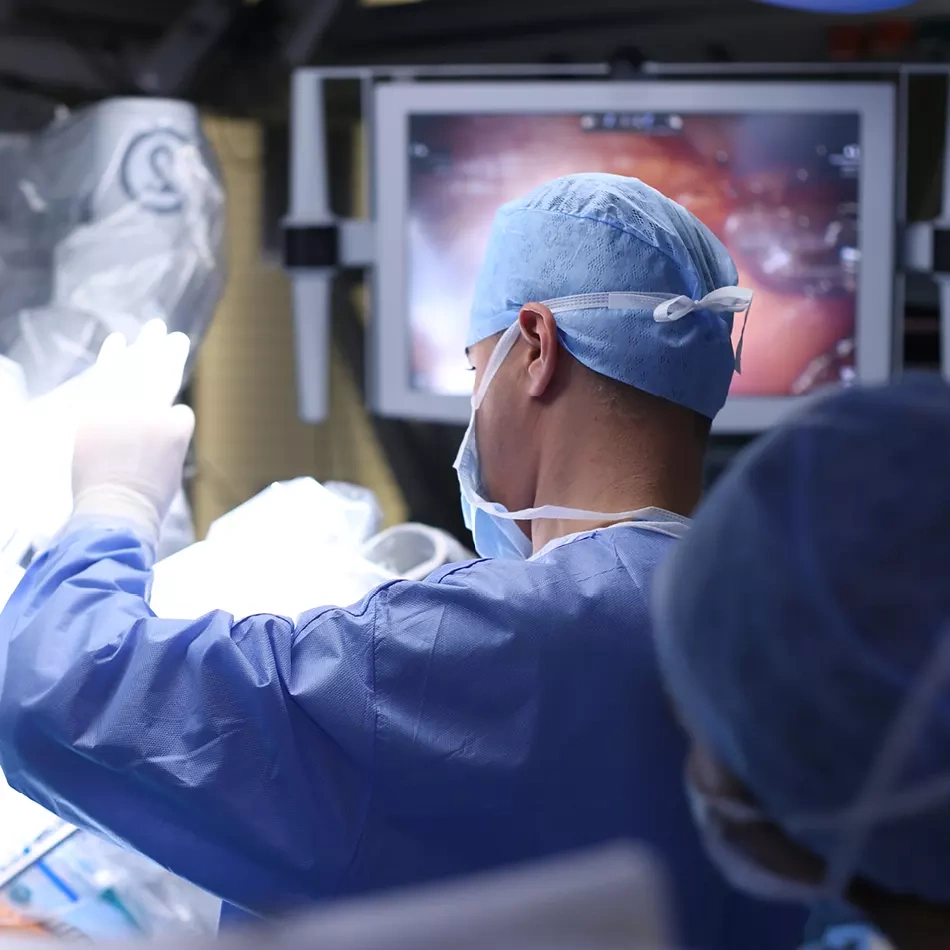
April 16-18 will be a medical exhibition at Expocentre
From April 16 to 18, 2024, the 28th International Exhibition "HEALTHCARE - TIHE 2024" will be held at the NVC "Uzexpocenter". Among other things, DEKA equipment will be presented.